
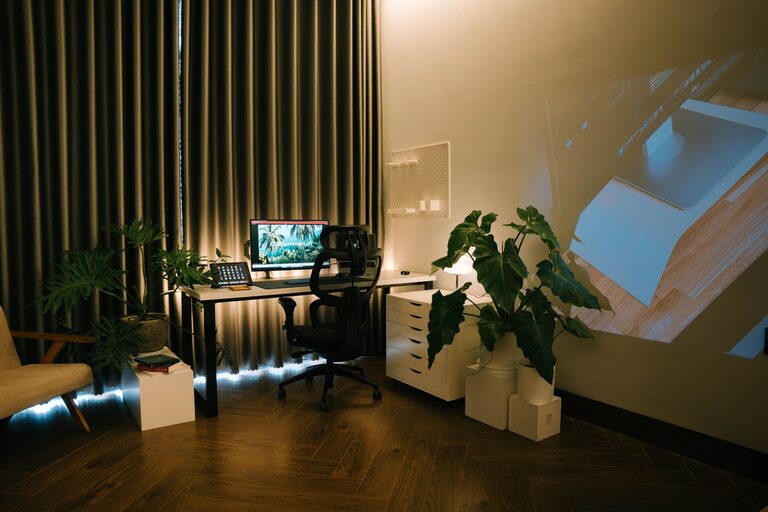
Creating a relaxing home workspace is essential for maintaining focus, reducing stress, and enjoying your workday. Whether you work remotely full-time or occasionally need a dedicated spot for tasks, setting up a calm and comfortable environment can make a big difference. Below, we explore practical steps to design a home office that promotes relaxation and productivity.
Why a Relaxing Workspace Matters
A cluttered, noisy, or uncomfortable workspace can lead to distractions and burnout. When your work area supports your well-being, you can concentrate better, feel more motivated, and keep a healthier work-life balance. A relaxing workspace helps:
– Reduce stress and anxiety
– Improve concentration
– Enhance creativity
– Boost overall productivity
Choose the Right Location
Find a Quiet Spot
Start by selecting a space in your home that is as quiet and free from interruptions as possible. This might be a spare room, a corner of your living area, or even a nook by a window.
Consider Natural Light
Natural light has a positive impact on mood and energy. Position your desk near a window to benefit from daylight, but avoid glare directly on your computer screen.
Declutter and Organize
Clear the Surface
A tidy desk can help clear your mind. Keep only the essentials on your surface and store other items in drawers or organizers.
Use Storage Solutions
Shelves, filing cabinets, and desk organizers are great for keeping papers, office supplies, and equipment out of sight but within reach.
Go Digital When Possible
Limit paper clutter by using digital note-taking apps and cloud storage. This creates a cleaner, more streamlined workspace.
Choose Comfortable and Functional Furniture
Invest in an Ergonomic Chair
Since you’ll spend hours sitting, choose a supportive chair that encourages good posture and reduces strain.
Pick the Right Desk
Select a desk with enough space for your computer, writing area, and any accessories. Standing desks or adjustable desks offer flexibility and can help you stay active.
Add Calming Elements
Incorporate Plants
Indoor plants improve air quality and add a natural touch that can reduce stress and increase feelings of well-being.
Use Soft Lighting
Avoid harsh overhead lights. Instead, opt for warm desk lamps or floor lamps that create a cozy atmosphere.
Include Personal Touches
Add items that make you happy and relaxed, like artwork, photographs, or a favorite mug. Just be careful not to crowd your workspace.
Minimize Distractions
Manage Noise
If your workspace is noisy, consider noise-canceling headphones, white noise machines, or soundproofing measures like curtains or rugs.
Control Digital Interruptions
Turn off unnecessary notifications and use apps that block distracting websites during work hours.
Maintain a Comfortable Temperature and Airflow
Ensure your workspace is neither too hot nor too cold. Proper ventilation keeps the air fresh and helps you stay alert and comfortable.
Establish a Routine for Tidying Up
At the end of each day, spend a few minutes organizing your desk and planning tasks for tomorrow. This practice keeps your workspace inviting and your mind clear.
Final Thoughts
Creating a relaxing home workspace doesn’t have to be complicated or expensive. By choosing the right location, organizing thoughtfully, selecting comfortable furniture, and adding calming touches, you can build an environment that supports your well-being and helps you work more effectively. Remember, your workspace should be a place you look forward to spending time in every day.
About the Author