
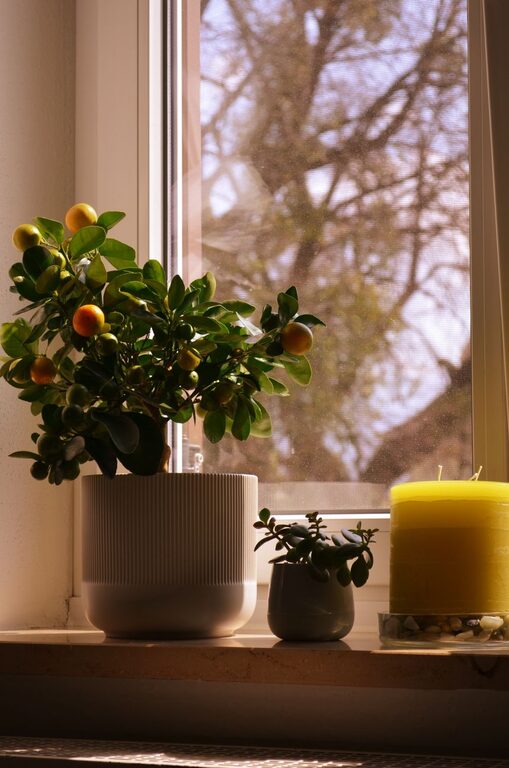
Bringing plants into your home is one of the simplest and most effective ways to refresh your living space. Not only do plants add color and vibrancy, but they also improve air quality and create a calming atmosphere. Whether you’re a seasoned plant enthusiast or a beginner, there are many easy ways to update your home with greenery. In this post, we’ll explore practical tips for choosing, displaying, and caring for plants that can transform your space.
Why Add Plants to Your Home?
Before diving into the how-to, it’s helpful to understand why plants are such a popular choice for home refreshes.
– Aesthetic Appeal: Plants introduce natural textures and shades of green that complement almost any décor style.
– Mood Booster: Studies show that spending time with plants can reduce stress and increase feelings of well-being.
– Air Purification: Many common houseplants help clean indoor air by absorbing toxins and releasing oxygen.
– Creativity and Focus: Having plants in your environment can improve concentration and creativity, making them great additions to workspaces.
Choosing the Right Plants for Your Space
Selecting plants that suit your home’s lighting and your lifestyle is key to a thriving indoor garden. Here are some tips:
Assess Your Light Conditions
Different plants require different amounts of light. Take note of the natural light available in each room:
– Bright, Direct Light: South-facing windows typically provide the most sunlight. Plants like succulents, cacti, and fiddle leaf figs do well here.
– Moderate or Indirect Light: East- or west-facing windows offer gentler light, ideal for plants like snake plants, pothos, and peace lilies.
– Low Light: Rooms with minimal natural light can still support plants such as ZZ plants, philodendrons, and cast iron plants.
Consider Your Maintenance Preferences
Some plants need more attention than others. Be honest about how much time you want to spend watering, pruning, and caring for your plants:
– Low Maintenance: Snake plants, pothos, and succulents are forgiving and require less frequent watering.
– Moderate Care: Spider plants and peace lilies may need occasional pruning and regular watering.
– High Maintenance: Ferns and orchids require more humidity and attention.
Creative Ways to Display Plants
Once you have your plants, how you arrange them can make a big impact on your home’s atmosphere.
Use a Variety of Plant Sizes
Mixing small, medium, and large plants adds depth and interest.
– Place a large floor plant like a monstera or fiddle leaf fig in an empty corner.
– Use medium plants on side tables or shelves.
– Add small succulents or cacti on windowsills or desks.
Play with Plant Pots and Containers
Choose containers that complement your décor style.
– Modern: Sleek ceramic pots in neutral tones.
– Bohemian: Colorful, patterned pots or woven baskets.
– Rustic: Terracotta or reclaimed wood planters.
Hang Plants for Added Dimension
Hanging plants like string of pearls or pothos can save space and create a dynamic look. Use ceiling hooks or wall-mounted brackets near windows.
Create a Plant Corner or Shelf
Dedicate a small area or shelf to a collection of plants. Layer pots at different heights using stands or stacked books for visual appeal.
Easy Plant Care Tips to Keep Your Greenery Healthy
Healthy plants will keep your home looking fresh. Here are some basic care pointers:
– Water Wisely: Overwatering is a common mistake. Check each plant’s needs and allow soil to dry out between waterings where appropriate.
– Use Proper Soil: Use potting soil suited for your plant type to ensure good drainage and nutrients.
– Provide Adequate Light: Rotate plants regularly to ensure even growth and prevent leaning toward windows.
– Fertilize Seasonally: Feed your plants with balanced houseplant fertilizers during their growing season (usually spring and summer).
– Clean Leaves: Dust leaves periodically to improve photosynthesis and keep plants looking vibrant.
– Watch for Pests: Inspect plants for signs of pests and treat them quickly with natural remedies if needed.
Beyond Decoration: Incorporating Edible Plants
If you’re interested in combining beauty with practicality, consider adding edible plants to your home.
– Herb Garden: Grow herbs like basil, mint, or rosemary on a sunny kitchen windowsill. These add fragrance and fresh flavor to your cooking.
– Small Fruit Plants: Dwarf citrus trees or strawberry plants can thrive indoors and provide fresh fruit.
– Microgreens: Fast-growing and rich in nutrients, microgreens can be grown in shallow trays on countertops.
Seasonal Refresh with Plants
As the seasons change, you can swap out or add plants to match the mood and climate.
– Spring: Add blooming plants like African violets or orchids for a splash of color.
– Summer: Tropical plants with large leaves can give a lush, energetic vibe.
– Fall: Decorate with autumn-hued plants or place pumpkins alongside greenery.
– Winter: Choose hardy evergreens or plants with interesting foliage to bring life during colder months.
Final Thoughts
Refreshing your home with plants doesn’t have to be complicated or expensive. Start small, experiment with different types and displays, and enjoy the process of nurturing living things. Over time, your green space will grow into a beautiful, calming retreat that reflects your personality and style.
Remember, the key is to pick plants that fit your space and routine, and to provide them with the care they need to thrive. Happy planting!
About the Author